Switching to a New Payments Provider: The Business Case for Moving to Lark
Tech
Most teams don’t realise how much money they burn on payment failures, brittle in-house billing logic, and manual support escalations until a pricing change or a scale milestone forces them to look closely.
Switching to a modern payments provider isn’t a “nice-to-have platform upgrade.” It’s a strategic infrastructure decision that affects revenue, customer experience, engineering velocity, and pricing flexibility.
If you're looking to implement Lark, below is the exact framework for thinking through it and writing up the business case.
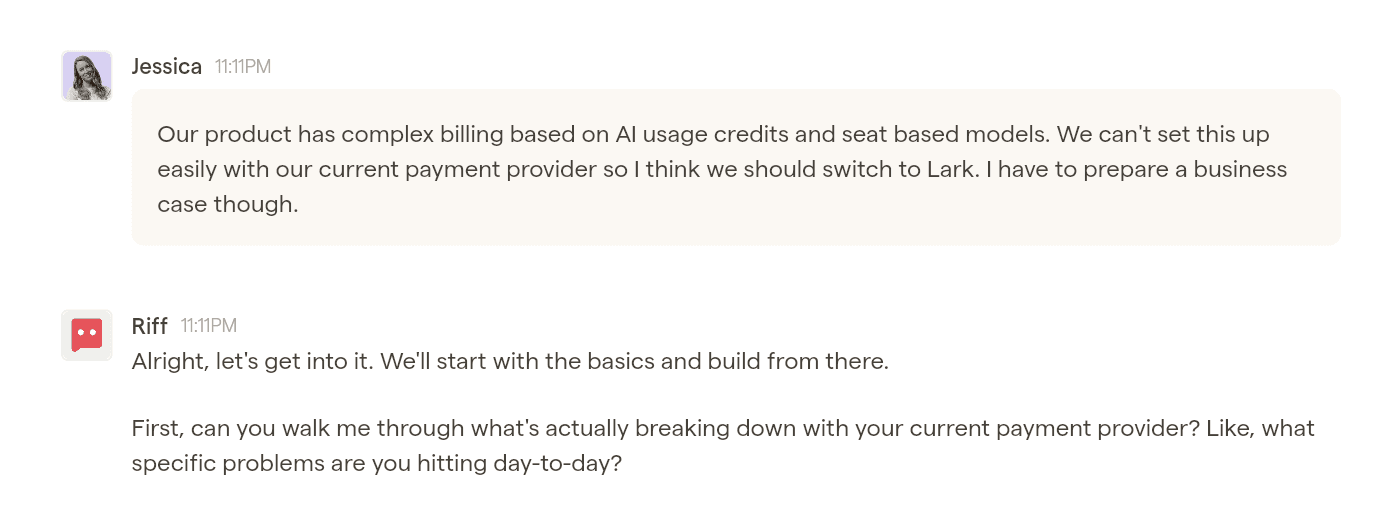
Copy paste the template or save yourself a heap of time and ask Riff to help you prepare a custom business case for your company, using your numbers. It's free and easy.
1. The Pain (Current State)
Approval gets dramatically easier when your manager can feel the inefficiency.
Common payment & billing pains to highlight:
Fragmented, homegrown billing logic
Because pricing, usage, credits, and entitlements are coded internally:
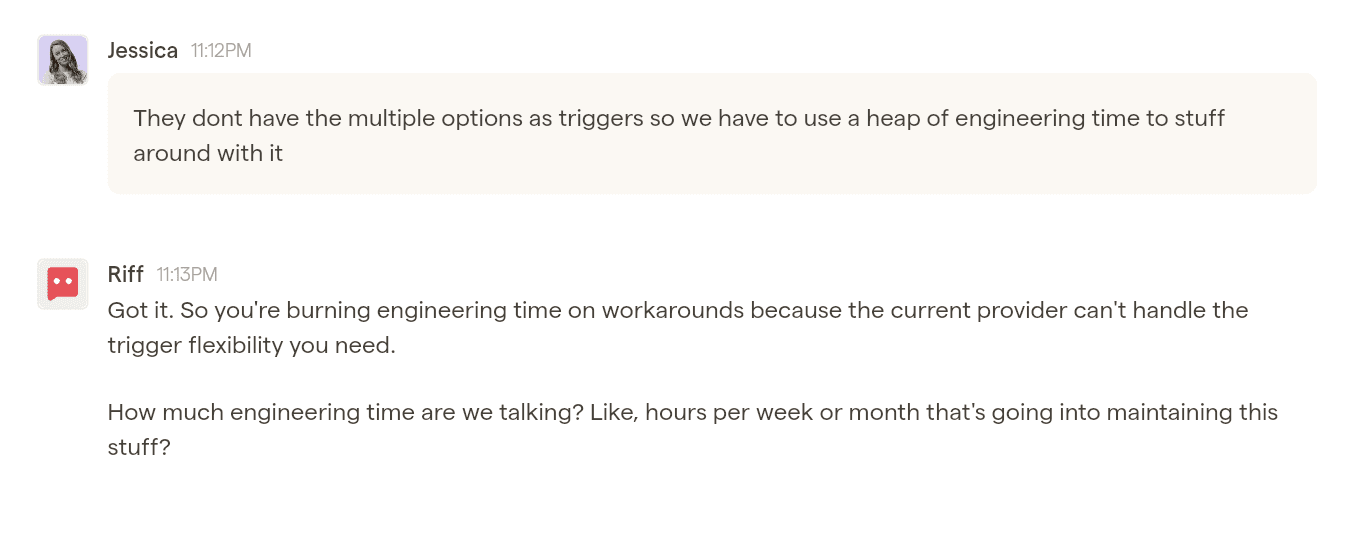
Engineering becomes the bottleneck for every pricing change
New pricing models require re-architecture
Bugs create invoice disputes and support escalations
Estimated cost:
4 engineers × 3 hrs/week × $180k fully loaded ≈ $56k/year in maintenance.
Revenue leakage
Operational gaps directly reduce MRR:
Failed payments not retried strategically
No real-time usage visibility → customer disputes → credits/write-offs
Manual churn recovery processes
Estimated cost:
At $500k MRR, 1–2% avoidable churn = $60k–$120k lost revenue annually.
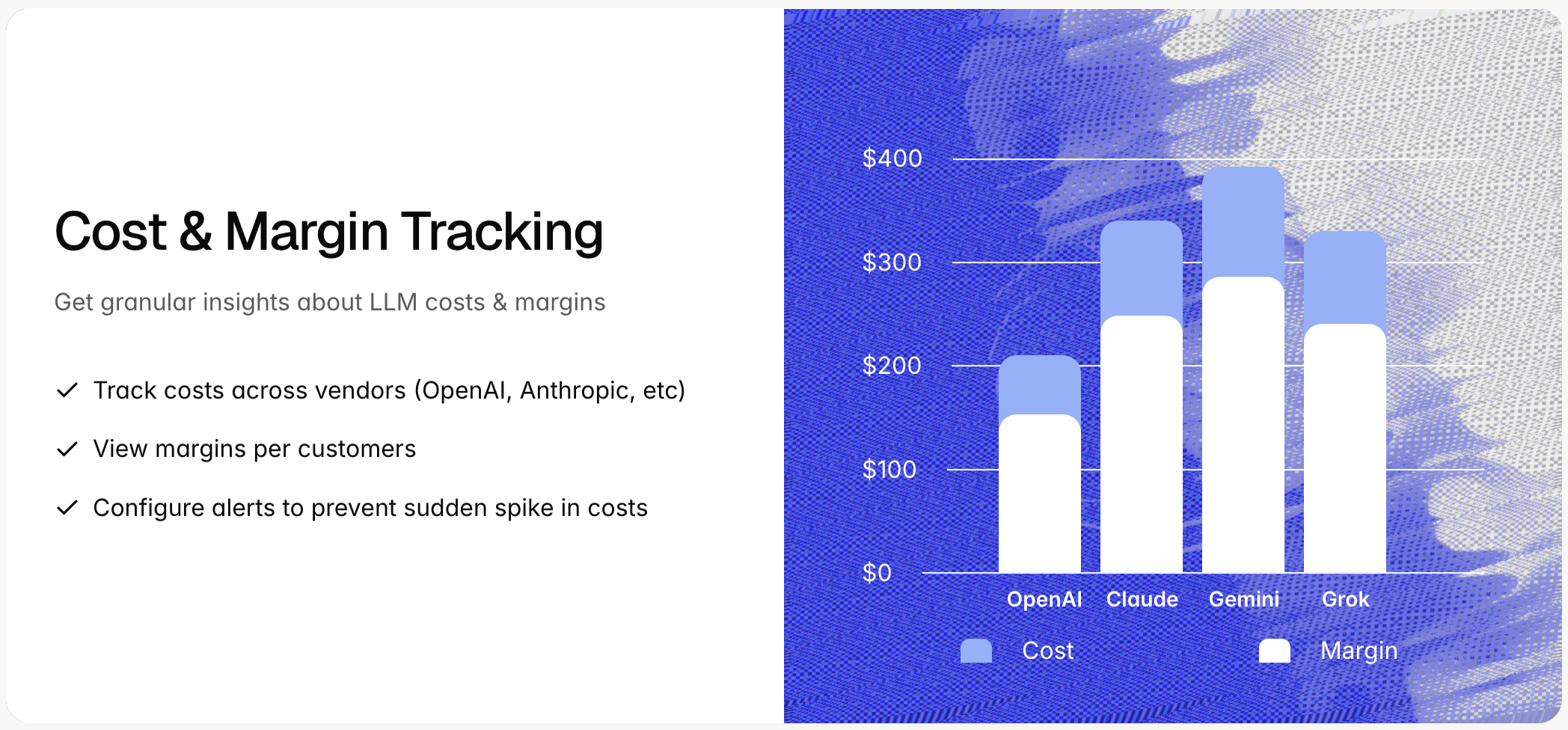
High Support Burden → Increased COGS
Customers lack clear usage/credit visibility, generating unnecessary billing tickets:
Refund requests
Downgrades / plan change requests
Invoice confusion
If billing drives 200–300 tickets/month at ~$12/ticket → $28k–$43k/year in support cost.
Slow Pricing Experimentation → Lost Revenue Opportunities
Example: Pricing changes currently take 3–6 weeks due to manual migrations and code changes.
This prevents rapid testing of new AI/usage-based pricing models.
Estimated impact:
Delaying monetisation experiments by even one quarter can cost tens of thousands in missed revenue.
If you can quantify even loosely, add numbers:
“We lose an estimated 2–4% of revenue per month due to failed payments and manual churn recovery.”
“Engineering spends 6–12 hours per week maintaining billing edge cases.”
“Pricing experiments take 3–6 weeks to scope, implement, and QA.”
A strong articulation of pain is what unlocks budget.
2. Desired Outcomes
Tie the new payments provider to measurable business outcomes: revenue, efficiency, flexibility.
What switching to a modern provider like Lark unlocks
Switching to a modern provider like Lark should achieve measurable business outcomes in four categories:
A: Revenue Protection & Recovery
Better payment retry logic
Real-time usage visibility reduces disputes
Entitlements ensure customers are billed correctly
Goal: Reduce involuntary churn by 1–3%.
B: Productivity Gains
No more custom billing logic
No more pricing migrations
No more duplicated entitlements logic across services
Goal: Reduce engineering maintenance by 50–70%.
C: Lower Support Costs
Usage and credit transparency
AI-driven refunds and plan changes
Goal: Reduce billing tickets by 20–40%.
D: Revenue Acceleration
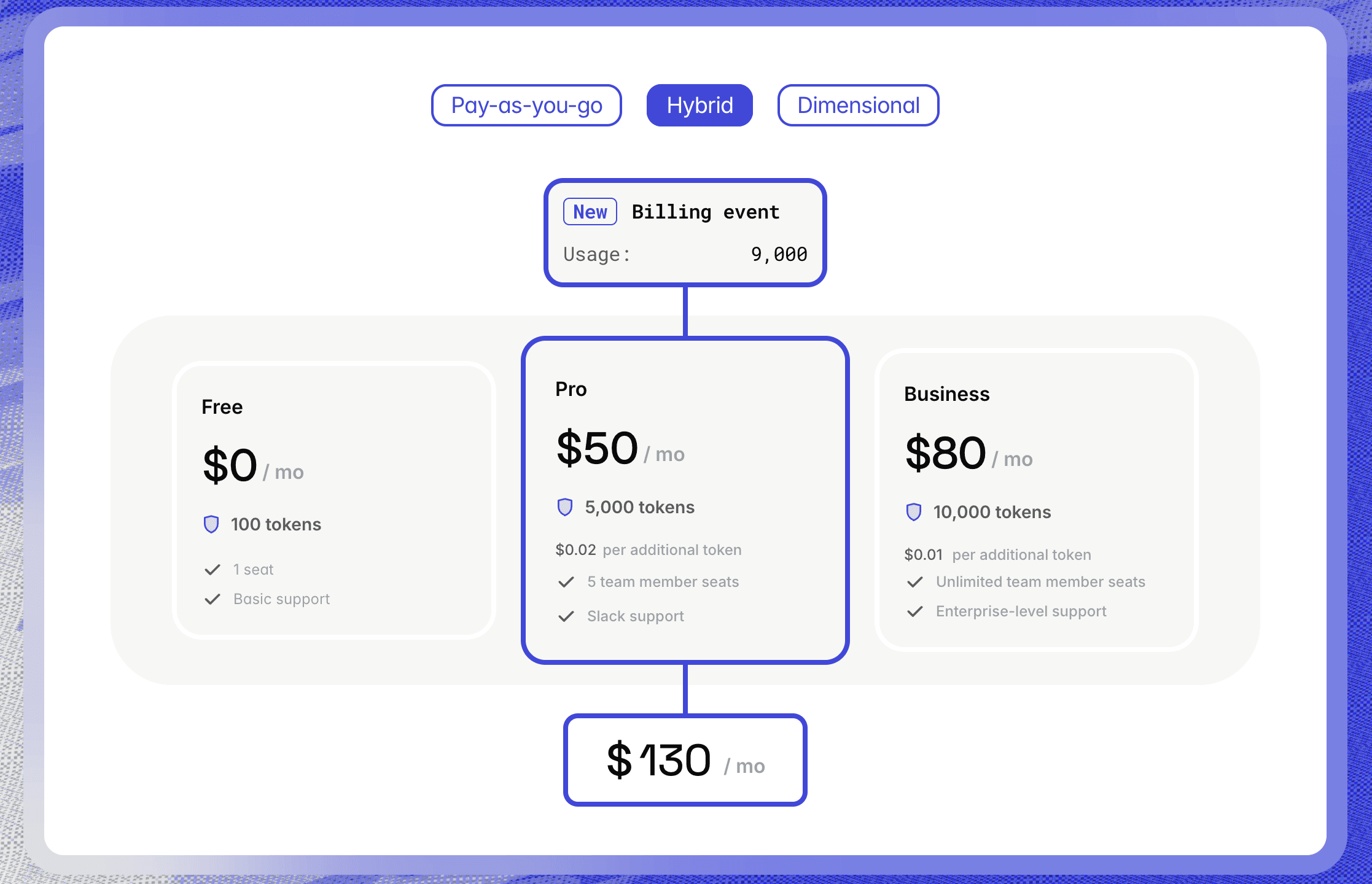
Ability to launch and test pricing models instantly
Ability to support AI-centric, usage-heavy pricing models without rebuilds
Goal: Support pricing innovation without engineering overhead.
3. Options Considered
Managers want to know you evaluated alternatives responsibly.
Status Quo
Maintenance cost persists and grows with complexity
Revenue leakage continues
Pricing changes remain slow
Platform risk increases
Financial risk: Known and rising.
Other Payment/Billing Providers
Cover off on the vendors they would expect you to have considered and outline why, in your view, they fall short:
Hybrid + dimensional pricing still requires custom build
No entitlements engine → engineering cost remains
Usage/credit visibility weak → customer dispute risk stays high
Migrations still manual → slows pricing iteration
Legacy providers not adapting fast enough to AI pricing norms
Implement Lark (Recommended)
Purpose-built for modern pricing
Eliminates nearly all custom billing code
Reduces churn and support workload
Pricing changes require zero migrations
Founders previously built usage-based billing at Stripe → lower execution risk
Financial impact: Highest reduction in operating cost + strongest revenue upside.
4. Cost and ROI
Total annual benefit (engineering + recovered churn): $116,000
Estimated Lark cost: [$30,000] (you can get pricing from Lark to strengthen your business case)
Net ROI: ~4× return within first year
Breakdown:
Engineering Savings:
624 hours/year → $56,000
Recovered Revenue:
1% churn reduction at $500k MRR → $60,000
Support Cost Reduction
20–40% of billing tickets eliminated → $10k–$30k additional savings
In a nutshell:
If switching providers saves each engineer 150 hours/year and reduces churn by even 1%, Lark pays for itself 4× over.
This is the kind of clarity managers tend to approve fast.
5. Implementation Path (Reducing Risk)
Show leadership the rollout is safe and controlled.
Suggested Plan
Lark will have a recommendation for you, but as an example:
Weeks 1–2 — Configuration
Map pricing models into Lark
Define entitlements
Integrate payments flow
Internal lift: 1–2 engineers part-time
Week 3 — Controlled Pilot
5–10 customers
Validate billing accuracy
Confirm entitlements logic
Minimal customer disruption
Week 4 — Full Rollout
Full migration
Customer billing portal turned on
Downtime expected: None
Month 2–3 — Optimisation
Finance dashboards
Pricing experiments
Automated entitlement refinementManagers appreciate that you’ve mitigated risk with a staged rollout.
The One Pager: Business Case for Switching to a Modern Payments Provider (Lark)
Copy paste or save yourself time and ask Riff.
1. Problem / Current State
Our current billing and payments stack is creating measurable financial exposure, operational inefficiency, and constraints on revenue growth. While individual issues appear technical, the aggregate impact is material to the business.
A. High Engineering Cost to Maintain Billing Logic
Our pricing logic (usage, credits, included quantities, regional pricing, entitlements) is custom-built and fragile. Every pricing change or new feature requires engineering intervention.
Impact:
4 engineers × ~3 hours/week = 624 hours/year
Fully-loaded cost: $56,000 annually
Zero strategic value creation from this time, purely maintenance
The complexity increases with each new pricing model, and the cost will continue to rise.
B. Avoidable Revenue Leakage
We currently experience churn and billing disputes driven by operational limitations:
Failed payments are not intelligently retried
Real-time usage is not surfaced proactively to customers
Invoices lack clarity for usage-heavy plans
Manual churn recovery workflows lead to inconsistent outcomes
Impact:
At $500k MRR, even a 1% reduction in involuntary churn results in $60,000 in retained revenue annually.
We estimate 1–2% of revenue leakage can be directly attributed to billing system shortcomings.
C. High Support Load on Billing Issues
Without a transparent billing portal showing usage, credits, and thresholds, customers escalate to Support unnecessarily.
Impact:
Billing drives ~200–300 tickets/month
At ~$12/ticket, this equates to $28k–$43k/year
These tickets are preventable with clearer billing surfaces
D. Slow Pricing Experimentation = Lost Revenue Opportunities
Pricing iteration is increasingly essential, especially in markets adopting AI-based or usage-based pricing.
Today:
Pricing changes take 3–6 weeks
Require coordinated migrations
Force engineering involvement for testing and deployment
Impact:
Delayed monetisation experiments can cost tens of thousands in incremental revenue per quarter.
This is a strategic barrier, not a technical inconvenience.
2. Proposed Solution: Implement Lark as Our Payments/Billing Provider
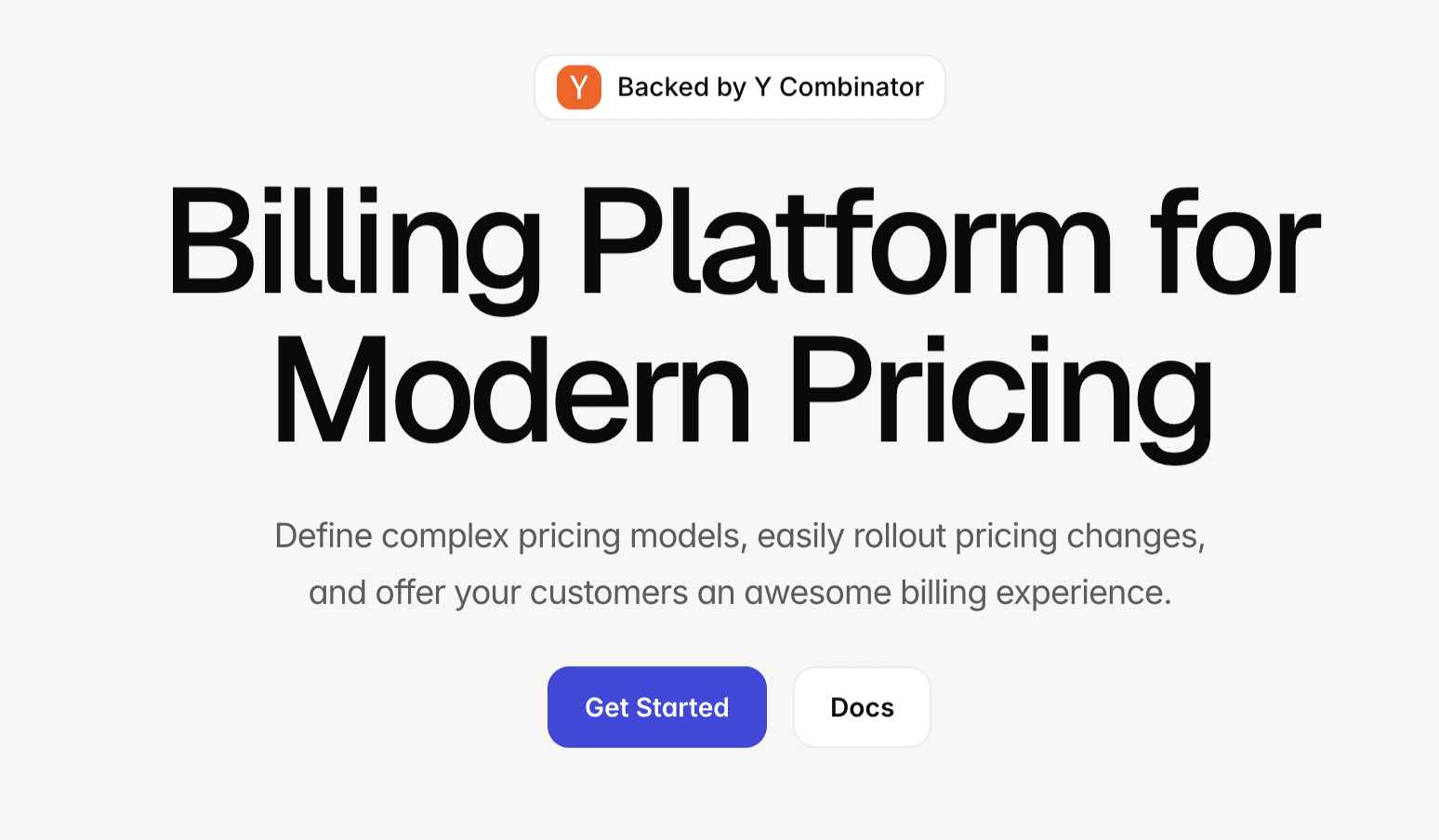
Lark provides the flexibility and automation necessary to eliminate maintenance work, reduce churn, support AI-era pricing models, and improve customer experience — with minimal implementation effort.
Key Financial Outcomes
A. Reduced Engineering Overhead
Lark removes the need for custom billing logic entirely:
Usage tracking
Credits and included quantities
Per-seat allowances
Regional/dimensional pricing
Feature entitlements
Outcome:
~50–70% reduction in billing maintenance workload.
B. Revenue Retention & Recovery
Lark’s pricing engine, entitlement logic, and customer portal help ensure customers are billed accurately, understand usage, and proactively avoid overages.
Outcome:
1–3% reduction in involuntary churn
= $60k–$180k/year retained revenue at current scale.
C. Lower Support Costs
Real-time usage dashboards, AI-assisted refunds, and self-serve plan management reduce billing-related ticket volume.
Outcome:
20–40% fewer billing tickets
= $10k–$30k annual savings (not included in the ROI headline number but meaningful to COGS).
D. Faster Time-to-Revenue Through Instant Pricing Changes
Lark removes the need for migrations when pricing changes. New pricing models can be launched or tested in days, not weeks.
Outcome:
Accelerates monetisation and supports experimentation without additional headcount.
3. Options Considered
Option 1: Maintain Status Quo
Engineering cost continues to rise
Revenue leakage persists
Pricing agility remains constrained
Higher operational risk as business complexity grows
Financially: This is the highest-cost option over 12–24 months.
Option 2: Consider Other Billing Providers (Stripe Billing, Chargebee, Paddle, etc.)
These platforms fall short in areas critical to our pricing and growth strategy:
Hybrid / dimensional pricing still requires custom code
No entitlements engine → billing logic remains decentralized
Usage visibility insufficient → customer disputes persist
Migrations for pricing changes remain manual
Not built for rapid iteration or AI-driven pricing needs
Financially: Moderate improvement, but major cost drivers remain.
Option 3: Adopt Lark (Recommended)
Purpose-built for modern usage, credit, and AI-centric pricing
Eliminates custom billing logic entirely
Built-in entitlements reduce errors and disputes
Pricing updates require zero migrations
Strong leadership DNA (team built Stripe’s usage billing stack)
Financially: Delivers the highest savings and revenue upside with the lowest operational risk.
4. Cost and ROI
Headline ROI
Total annual benefit (engineering + churn recovery): $116,000
Estimated annual Lark cost: $30,000
Net ROI: ≈ 4× in Year 1
Detailed ROI Assumptions
Engineering Time Saved:
624 hours saved
$56,000 in regained productivity
Revenue Recovered (1% churn reduction):
$5,000/month
$60,000/year retained
Total Quantified Benefit: $116,000/year
If switching providers saves each engineer ~150 hours a year and reduces churn by even 1%, Lark pays for itself 4× over.
This ROI does not include support cost savings or revenue acceleration from faster pricing iteration — meaning actual ROI is likely higher.
5. Implementation Plan (Risk Mitigation)
A low-risk, time-bounded migration approach:
Weeks 1–2
Configure pricing models in Lark
Set up entitlements and usage tracking
Integrate payments flow
Internal effort: 1–2 engineers (part-time)
Week 3
Pilot with ~5–10 customers
Validate accuracy of metering, credits, and invoices
Week 4
Migrate all customers
Enable customer billing surfaces
Expected downtime: None
Customer impact: Minimal
Month 2–3
Deploy finance dashboards
Begin pricing experiments
Optimise entitlements and automation
This structure demonstrates contained delivery risk and predictable execution.
6. Recommendation
Approve the adoption of Lark as our payments and billing provider.
This transition reduces operational inefficiency, improves revenue reliability, and positions the company to support modern, scalable pricing models without adding headcount or engineering complexity.
The financial case is clear: Lark delivers a 4× ROI through reduced churn and reclaimed engineering productivity while improving customer experience and accelerating monetisation.
Riff Helps You Get a Decision Faster
Most AI tools give you fluffy irrelevant text you still have to rewrite. Riff helps you stress-test assumptions, helps you calculate the ROI, it asks the questions your manager will so you look 10× more prepared, you can involve multiple collaborators and build a polished, decision-ready business case in minutes. Try it - it's free.